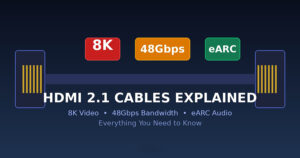
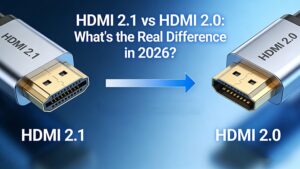
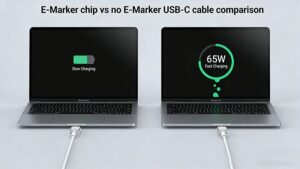
In the era of high-definition audio-visual experiences, choosing the right cable—HDMI, DisplayPort (DP), or Thunderbolt—can be confusing. This guide breaks down their differences, use cases, and key factors to help you make an informed decision.
Key Differences at a Glance
| Característica | HDMI 2.1 | DisplayPort 2.0 | Thunderbolt 4 |
|---|---|---|---|
| Ancho de banda máximo | 48 Gbps | 80 Gbps | 40 Gbps |
| Resolution@Refresh | 8K@60Hz, 4K@120Hz | 16K@60Hz, 8K@120Hz | 8K@60Hz, 4K@144Hz |
| Audio Channels | 32 | 32 | 32 |
| Suministro de energía | Hasta 100 W | No | Hasta 100 W |
| Encadenamiento | Limitado | Sí | Sí |
| Dispositivos comunes | TVs, Consoles | Monitors, PCs | Laptops, Phones |
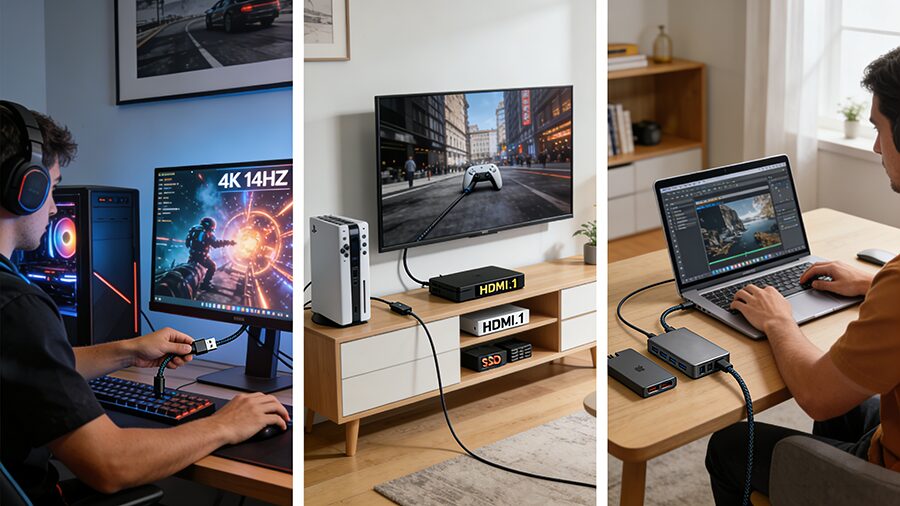
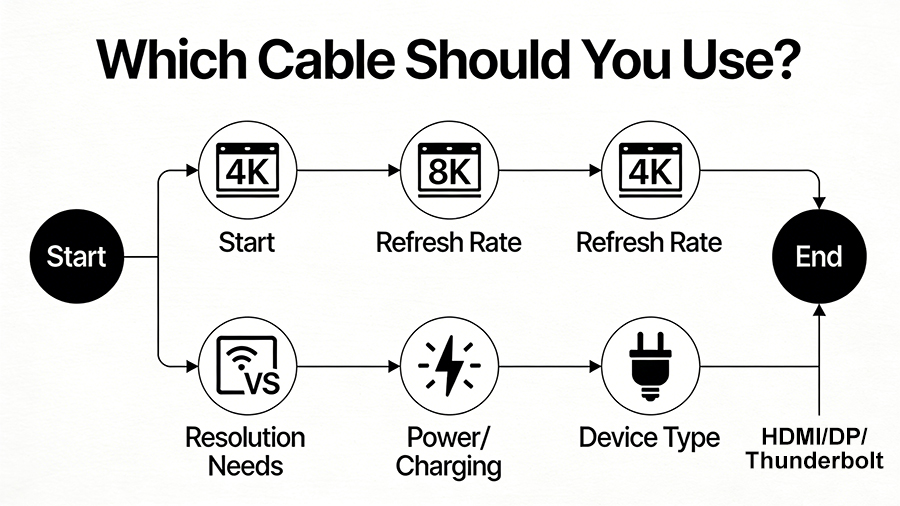
How to Choose?
Consejos finales