blog

USB vs. Cable de carga: ¿Cuál es la diferencia?

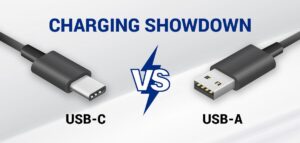
USB vs. Charging Cable: What’s the Difference? When it comes to cables for your devices, you might come across the terms USB cable and charging cable quite frequently. While they may appear to be the same, they actually serve different purposes and have distinct features. In this blog, we’ll dive deep into the differences between USB cables and charging cables, and provide a detailed comparison to help you choose the right one for your needs. What is a USB Cable? A USB (Universal Serial Bus) cable is primarily designed to connect devices and transfer data, but it can also supply power for charging. USB cables

Leer más >>
Best HDMI Cables for Gaming

Los mejores cables HDMI para juegos: Los mejores para consola y PC

As gaming technology continues to evolve, having the right HDMI cable is crucial to fully experience the graphics and performance your console or PC can deliver. Whether you’re a casual gamer or a competitive enthusiast, choosing the right HDMI cable can make all the difference. Here, we’ll guide you through the best options tailored to different gaming setups. Why Does an HDMI Cable Matter for Gaming? HDMI cables are more than just connectors. The right cable ensures: High Resolution: Support for 4K or 8K gaming visuals. High Refresh Rates: Smooth gameplay at 120Hz or higher. Low Latency: Minimal input lag for a competitive edge. HDR

Leer más >>
HDMI cables

¿Cuál es la diferencia entre un Hdtv y un cable HDMI?

When setting up a home entertainment system, terms like HDTV and HDMI cable often come up, but they refer to very different components of your setup. While both are integral to enjoying high-quality media, they serve distinct purposes. Let’s break down what each term means, their differences, and how they work together.   HDTV:High-Definition Television An HDTV refers to a television set capable of displaying high-definition video—either 720p, 1080p, or even 4K (Ultra HD) resolution. The “HD” in HDTV stands for high definition, which offers better picture quality compared to older standard definition TVs (SDTV). Key Features of HDTV: Higher Resolution: More pixels for clearer,

Leer más >>

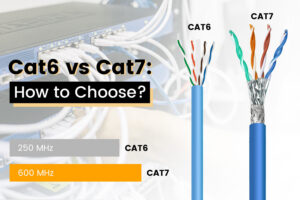
Cable Ethernet Cat: UTP, FTP, STP, SFTP y S/STP Medio

Cat Ethernet Cable: UTP, S/UTP, FTP, STP, SFTP, and S/STP Mean When building or upgrading a network, one of the most important decisions you’ll make is choosing the right Ethernet cable. With various options available, it’s essential to understand the differences between the types of Ethernet cables—UTP, S/UTP, FTP, STP, SFTP, and S/STP. These acronyms refer to the type of shielding used to protect the copper wires inside the cables, which directly impacts performance, data integrity, and the level of interference resistance.   What Do These Cable Types Mean? UTP (Unshielded Twisted Pair) Definition: UTP cables have no shielding around the twisted wire pairs. They

Leer más >>
usb cables

Explorando los cables USB: Del Micro USB al USB-C

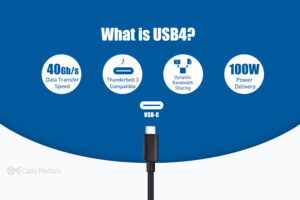
Introduction USB cables are an essential part of modern technology, enabling data transfer, device charging, and peripheral connections. However, with so many types of USB cables available, it can be confusing to know which one is best suited for your needs. In this blog post, we’ll explore the different types of USB cables, including Micro USB, USB-A, USB-B, USB-C, and the latest USB4 standard. To make it easier to understand, we’ll also include a comparison table to highlight their key differences. By the end, you’ll know which cable to choose based on your device’s requirements.   1. What Is a USB Cable? USB Cables (Universal

Leer más >>
HDMI ARC eARC

Características de los cables HDMI: ARC, eARC, CEC y más

HDMI cables are a vital part of modern entertainment systems, allowing for high-quality audio and video transmission between devices like your TV, soundbars, gaming consoles, and Blu-ray players. While most people use HDMI cables to simply connect their devices, there are several advanced features built into HDMI technology that can enhance your experience. In this post, we’ll delve into some of the key features of HDMI cables, including ARC, eARC, and CEC, and explain how these can improve your home entertainment setup. What is ARC (Audio Return Channel)? ARC is a feature that allows audio to travel in both directions between your TV and other

Leer más >>
Dp 1.4 Vs Dp 2.0

Dp 1.4 frente a Dp 2.0: Una explicación detallada

Dp 1.4 Vs Dp 2.0: A Detailed Explanation Dp 1.4 Vs Dp 2.0 As high-resolution displays become more popular in enterprises, choosing a DisplayPort cable that supports 4K or even 8K display is crucial to ensuring display effects and device performance. This article will explain the differences between DisplayPort 1.4 and 2.0 standards and provide purchasing recommendations for enterprises.   Introduction DisplayPort (DP for short) is a digital display interface developed by VESA (Video Electronics Standards Association), mainly used to connect monitors to computers, graphics cards or other video source devices. It has become one of the mainstream display interfaces with its high bandwidth and

Leer más >>
HDMI 2.1 vs. 2.0

HDMI 2.1 frente a 2.0: La mejor conexión HD para su empresa

HDMI 2.1 vs. 2.0 Introduction HDMI 2.0 is an important upgrade in the HDMI specification. It provides a maximum bandwidth of 18Gbps and supports 4K resolution (3840×2160)@ 60Hz refresh rate. This version is suitable for most 4K video and audio transmission needs, supports static HDR, improves video quality, suitable for standard display and general enterprise applications. HDMI 2.1 is currently the most advanced HDMI version with a bandwidth of up to 48Gbps and supports 8K resolution @ 60Hz and 4K @ 120Hz, which is suitable for high -quality video needs. It also supports dynamic HDR and EARC (enhanced audio return channels) and low latency mode,

Leer más >>
HDMI Cables Types

¿Cuáles son los tres tipos de cables HDMI?

En la era digital actual, los cables HDMI, como clave para conectar dispositivos multimedia, se utilizan ampliamente en diversos escenarios. Para muchas personas, comprender los distintos tipos y funciones de los cables HDMI puede resultar aún confuso. Explore los tres tipos de cables HDMI para ayudarle a elegir el que mejor se adapte a sus necesidades. Para más detalles, consulte el siguiente artículo. Introducción ¿Qué es un cable HDMI? El cable HDMI (High-Definition Multimedia Interface) es un cable digital utilizado para transmitir señales de audio y vídeo de alta calidad entre dispositivos. Al combinar audio y vídeo en un solo cable, se simplifican las conexiones de dispositivos como televisores, reproductores Blu-ray, videoconsolas y ordenadores.

Leer más >>
Male-to-Male USB Cables

Usos prácticos de los cables USB macho a macho

Introducción Los cables USB macho-macho se utilizan para conectar dos dispositivos con puertos USB directamente entre sí, normalmente para transferir datos o cargar dispositivos. Suelen utilizarse para conectar dispositivos como teléfonos inteligentes, tabletas, discos duros externos y cámaras a un ordenador u otros dispositivos para transferir o sincronizar archivos. Importancia de los usos prácticos de los cables USB macho-macho Conectar dos dispositivos sin un puerto USB hembra Transferencia de datos entre dos dispositivos Cargar un dispositivo desde otro Conectar un dispositivo a una fuente de alimentación con una salida USB 5. Crear una conexión de red entre dos dispositivos Conectar dispositivos Conectar dos ordenadores para transferir archivos sincronizar

Leer más >>
USB-C vs. Mini USB

USB-C vs. Mini USB: ¿Cuál es mejor para tus dispositivos?

Introducción En general, se considera que USB-C es mejor para los dispositivos porque ofrece velocidades de transferencia de datos más rápidas, mayor potencia de salida y un conector reversible. Mini USB es un conector más antiguo y menos versátil que se está eliminando gradualmente en favor de USB-C. Elegir el conector adecuado es muy importante para el dispositivo. El conector USB-C ofrece un mejor rendimiento en términos de velocidad, potencia y capacidad de transmisión de datos. Admite velocidades de transmisión de datos más rápidas y una mayor transmisión de potencia. Además, el conector USB-C también puede lograr la inserción inversa y el enchufe, que es más conveniente de usar. El conector Mini USB es relativamente bajo en velocidad y potencia y

Leer más >>

USB-C a HDMI: ¡Lo que necesitas saber!

Introducción USB-C a HDMI hace referencia a un tipo de cable o adaptador que conecta un dispositivo con un puerto USB-C (como un portátil, un smartphone o una tableta) a una pantalla o televisor con una entrada HDMI. Esta conexión permite la transmisión de señales de audio y vídeo desde el dispositivo USB-C a la pantalla equipada con HDMI. El uso de un cable o adaptador USB-C a HDMI permite que los dispositivos con puertos USB-C se conecten fácilmente a pantallas HDMI, admitiendo una salida de audio y vídeo de alta calidad, lo que resulta conveniente para presentaciones, juegos o transmisión multimedia. Mitos comunes sobre USB-C a HDMI Mito 1: USB-C a HDMI admite todas las resoluciones - Explicación

Leer más >>

SOLICITE UN PRESUPUESTO GRATUITO

póngase en contacto con nosotros para obtener el último catálogo de productos