Fiber Optic HD AV Cables: Pros, Cons & Top Scenarios

Table of Contents

Introduction

Fiber optic HD audio-video cables have revolutionized signal transmission, but are they the right choice for every setup? This blog breaks down their pros, cons, and ideal use cases to help you decide.
 

Advantages: Why Fiber Optic Stands Out
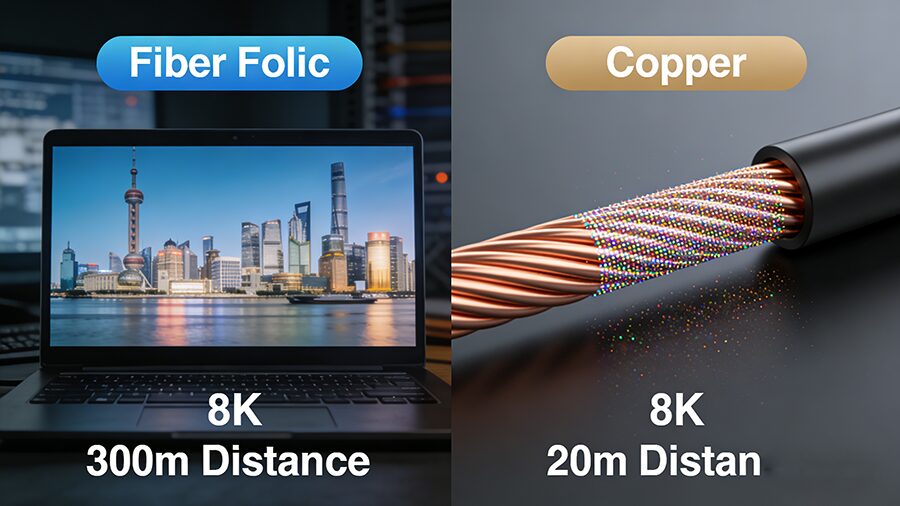
  1. Zero Signal Loss Over Distance

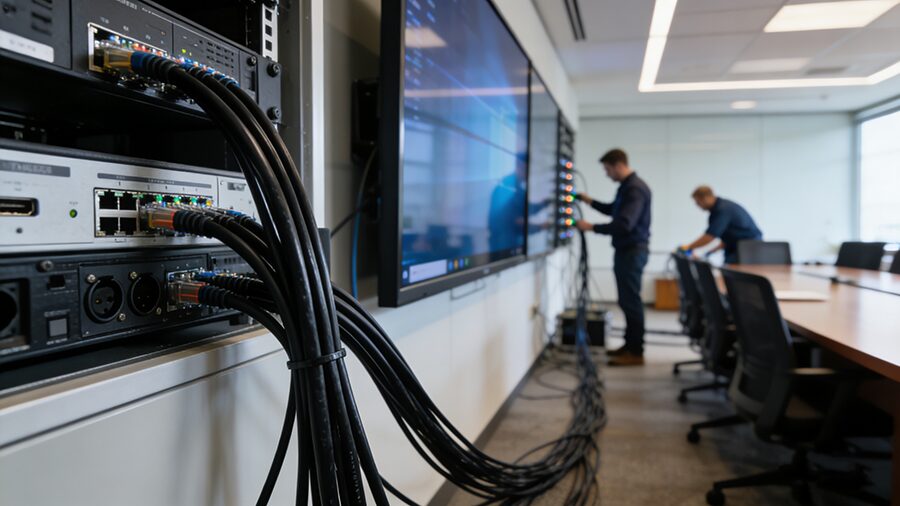
    Transmit 4K/8K video up to 300m without degradation—ideal for large venues where copper cables fail beyond 10m.

  2. Immunity to Electromagnetic Interference (EMI)

    Perfect for industrial environments or stages with power cables and lighting equipment, eliminating audio hum or video artifacts.


Limitations: The Trade-Offs

  • Premium Price Tag

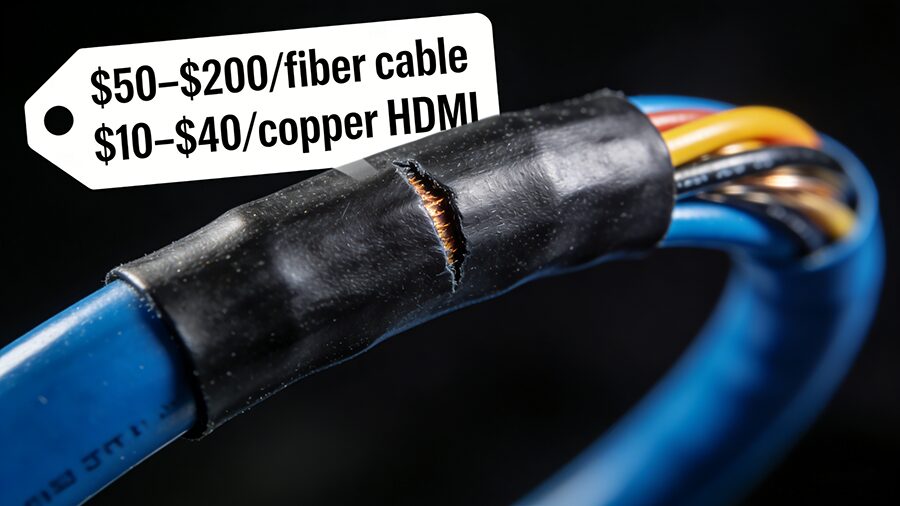
    3–5x more expensive than high-quality HDMI copper cables, with specialized connectors adding to costs.

  • Fragility & Bend Radius

    Sharp bends can crack the glass core, requiring careful installation and limiting use in tight spaces.


Scenario Analysis: Where Fiber Shines (and Where It Doesn’t)

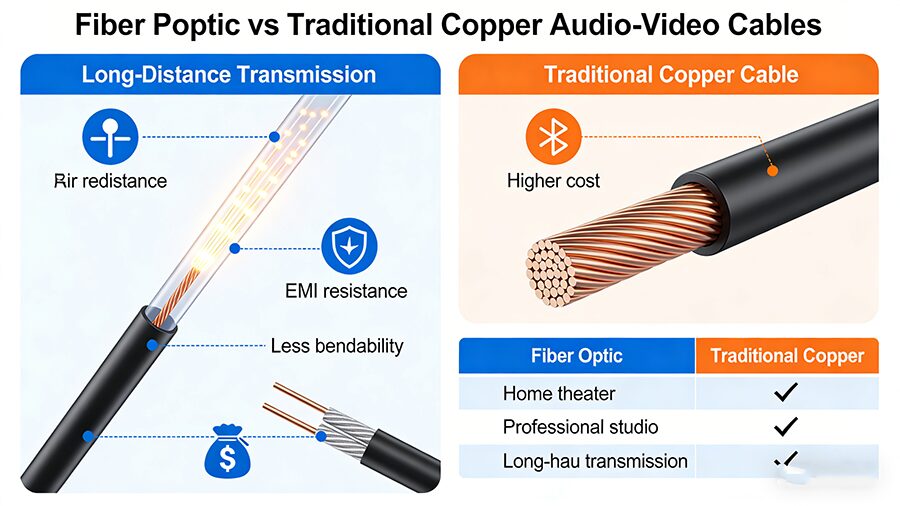
Scenario Fiber Optic? Rationale
Large Conference Rooms ✅ Yes 50m+ runs between projectors, sound systems, and control rooms require uncompromised signal.
Live Stage Performances ✅ Yes EMI from lighting rigs and amplifiers won’t disrupt audio/video sync during shows.
Home Theater (≤10m) ❌ No Copper HDMI 2.1 handles 8K/120Hz at lower cost with easier installation.


Conclusion: Make the Right Choice

  • Invest in Fiber If: You need long-distance, interference-free transmission for commercial/industrial setups.
  • Stick to Copper If: Your home theater or small office setup is under 10m and budget is a priority.
RELATED POSTS

REQUEST A FREE QUOTE

contact us to get latest product catalog